
Partner organization
Hospital Pequeno Príncipe (HPP)

Territory / Region
Curitiba, Paraná, Brazil, with regional reach through hospital-based care

Support Period
2024–2026
In 2024, Instituto Tecendo Infâncias began a partnership with Hospital Pequeno Príncipe (HPP), the largest exclusively pediatric institution in Brazil and a national reference in child health, through the project “Early Childhood: Generating Social Prosperity,” integrated into the Primeiríssima Infância Program.
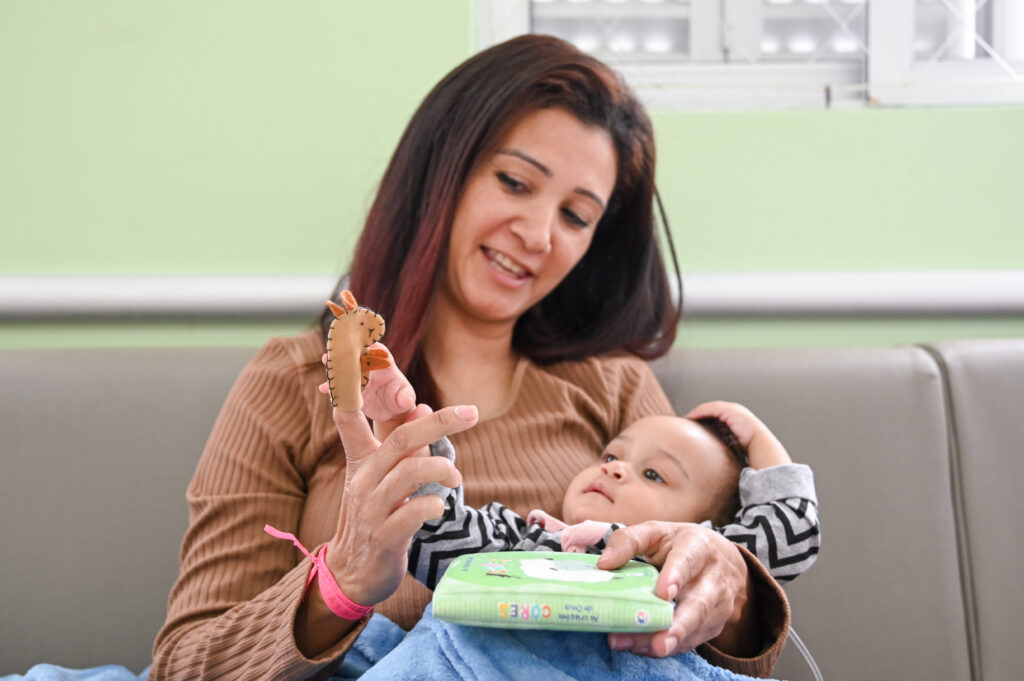
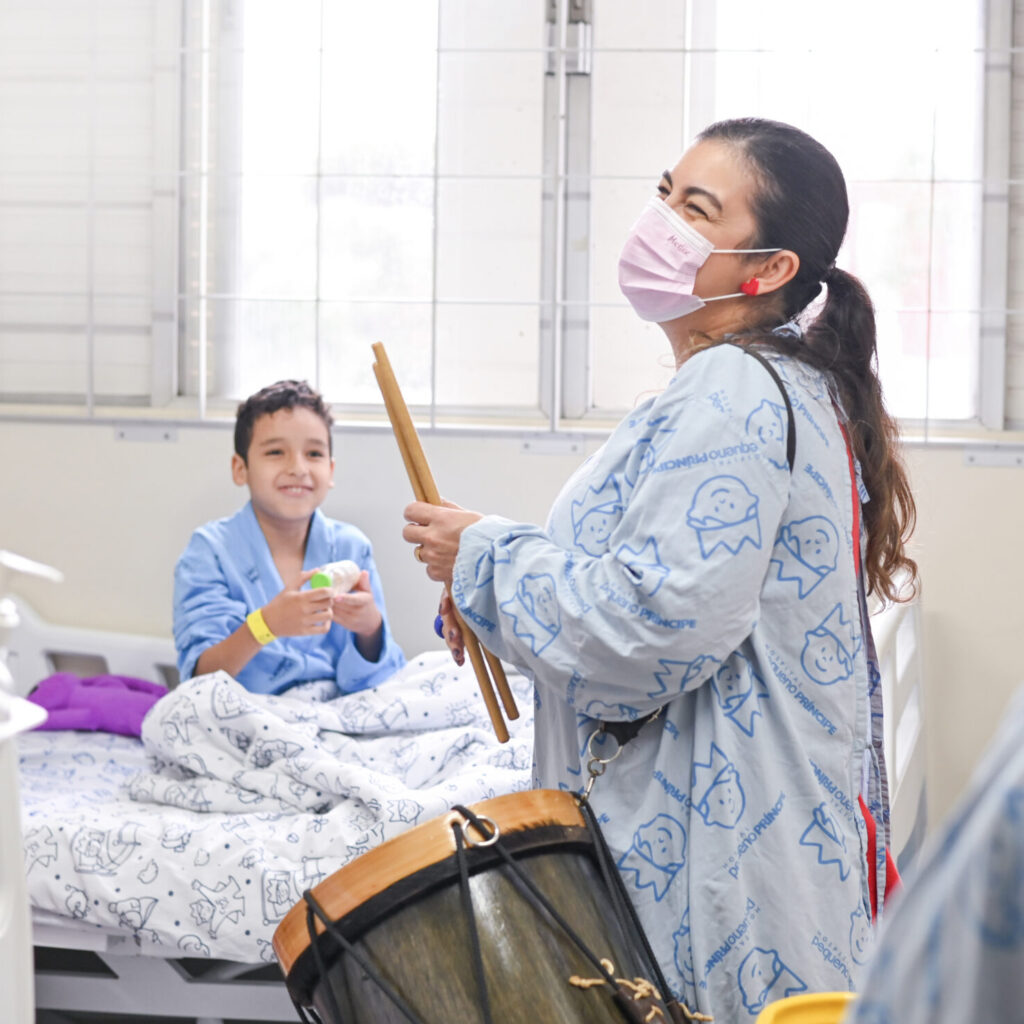
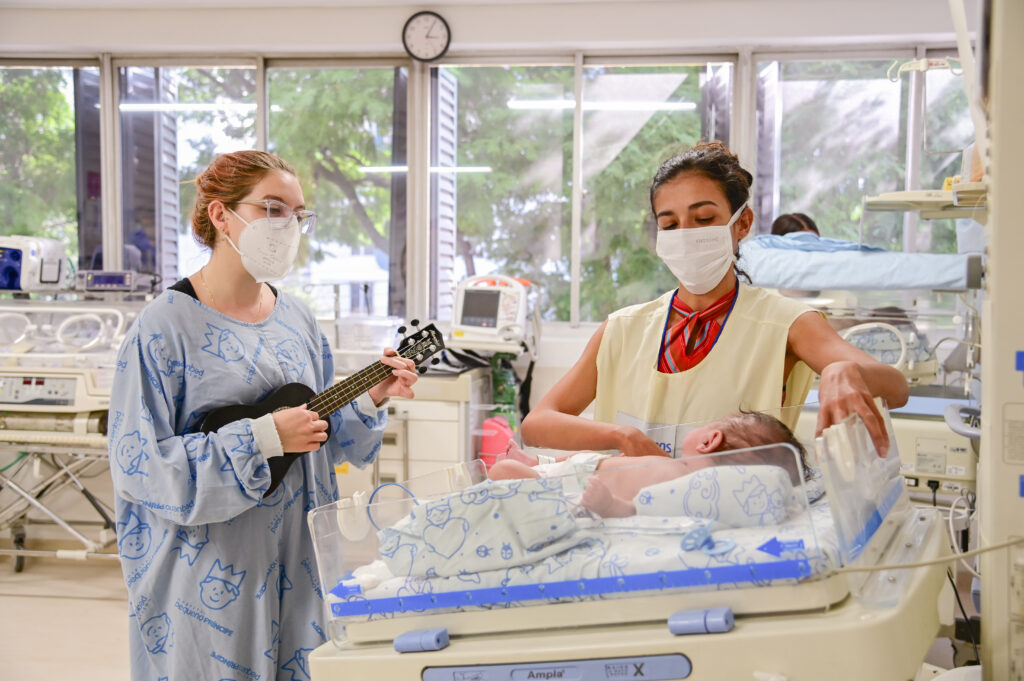
The project aims to expand services for children aged 0 to 3 and their caregivers through activities carried out in hospital wards and patient rooms, such as workshops, reading mediation, music activities, play, shantala massage, and relaxation practices. These actions focus on strengthening emotional bonds, promoting child development, and supporting both physical and emotional care.
Since its inception, the initiative has continued to advance and consolidate results. Key actions include the hiring of new educators dedicated to early childhood services, the delivery of training programs to strengthen the hospital’s humanization practices, and the integration of approaches that value the bond between children, families, and healthcare teams.
In addition, Primeiríssima Infância Program provides educational booklets with guidance on child development in the early years of life, covering topics such as nutrition, play, and Shantala massage. The Institute’s support made it possible to update these materials and expand their distribution, reaching thousands of families.
In 2025, activities continued to be implemented with the participation of caregivers in workshops, group discussions, and practical sessions, expanding their caregiving repertoire and strengthening emotional bonds.
This set of actions resulted in 1,151 service interactions and the delivery of 32 workshops on toy-making, play, and music activities, benefiting 2,121 children in early childhood and their caregivers, and reinforcing the centrality of holistic care at this stage of life.
At the same time, progress was made in systematizing the project’s methodology, with monthly records of service delivery and the ongoing development of a resource that may serve as a reference for training processes and for the future replication of the initiative in partner institutions.
The initiative has become a recognized model of child-centered hospital care in early childhood, demonstrating that low-cost, relationship-centered interventions can generate meaningful impacts on children’s well-being, strengthen families’ trust, and inspire public policies.
The partnership reaffirms the importance of integrating health and early childhood development, showing how hospital environments can become spaces for holistic care and the promotion of rights, placing early childhood at the center of building a more just future.
2024 (first year of partnership):
2025 (second year of the partnership):