
Partner organization
Centro Integrado de Estudos e Programas de Desenvolvimento Sustentável (CIEDS)

Territory / Region
Pacajus and Horizonte cities, Ceará state, Brazil

Support Period
2023–2026
Since 2023, Instituto Tecendo Infâncias has supported the Centro Integrado de Estudos e Programas de Desenvolvimento Sustentável (CIEDS), an organization based in Rio de Janeiro and recognized nationally and internationally for its work in community strengthening and social innovation.
Initially named as Infância Tecida em Laços, the project was renamed to Infância Inclusiva em Laços in 2025, in response to the challenges observed in the territory of Pacajus (Ceará state), especially the limited access to early diagnosis and specialized therapies, particularly for children with Autism Spectrum Disorder (ASD).
In this context, the initiative focuses on supporting the holistic development of children aged 0 to 6 living in vulnerable contexts, strengthening family and community bonds, and expanding access to rights. Through a cross-sector approach, the project brings together actions across social assistance, health, education, and justice, offering active listening and psychosocial and legal support, play-based activities, training workshops, and income-generation initiatives for families.
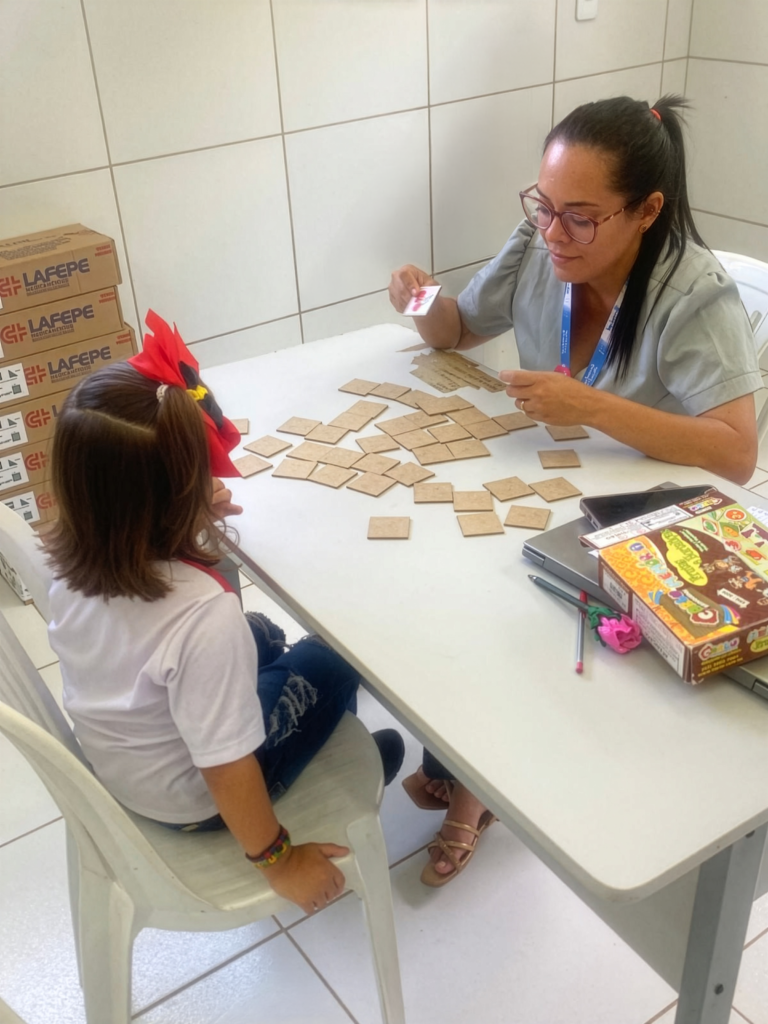
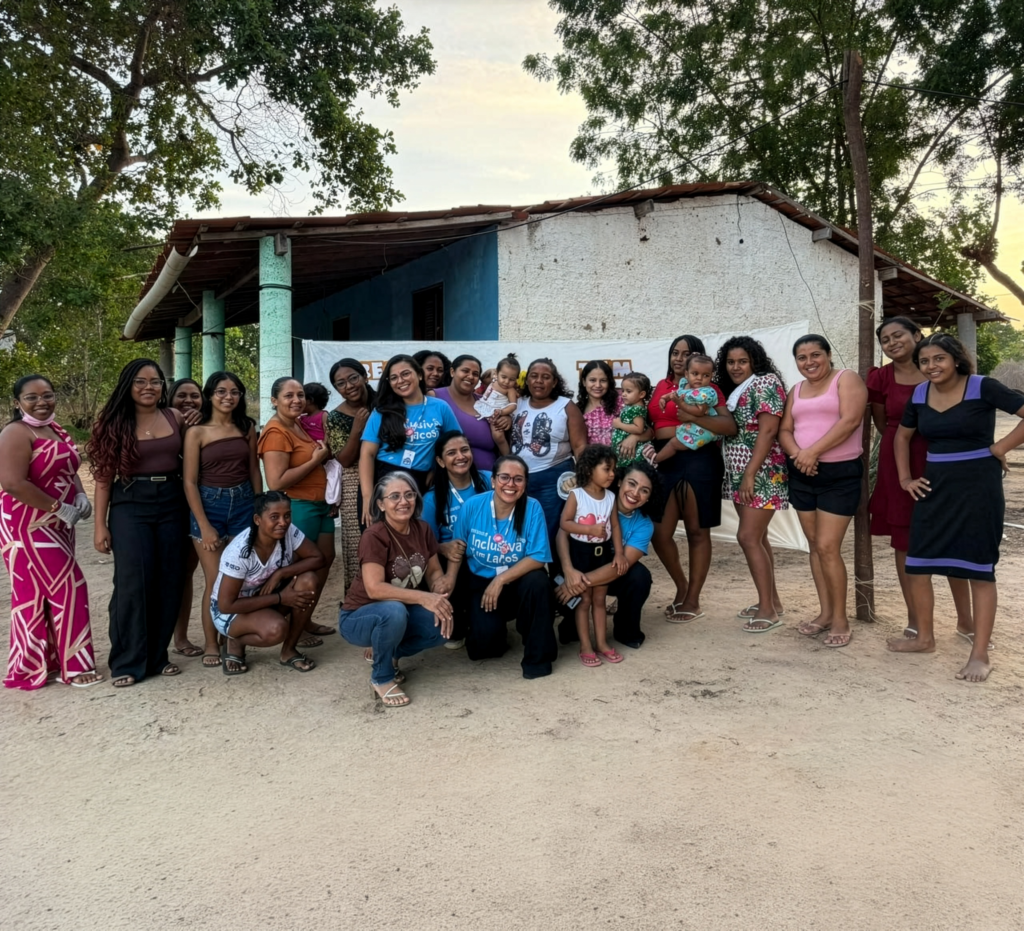
In Pacajus city, the second edition of the project was completed in mid-2025, strengthening the local early childhood protection network through home visits, psychological listening, community actions, and coordination across public services. The work of an active intersectoral committee and the establishment of new partnerships strengthened the follow-up with pregnant women and children aged 0 to 6, bringing families closer to public policies.
By the end of the period, 109 families and 152 children had been supported, of whom 58 received a diagnosis of Autism Spectrum Disorder (ASD), as well as cases of Attention Deficit Hyperactivity Disorder (ADHD) and related conditions. More than half of the families received direct psychological support, with 99 qualified listening sessions conducted and improved access to the Continuous Cash Benefit (BPC), reinforcing the effectiveness of the project’s approach.
The third edition of the project began in July 2025, marked by territorial expansion to the neighboring municipalities of Horizonte and Chorozinho, maintaining Pacajus as its base and further strengthening its network-based approach. This new phase includes ongoing training for professionals, therapeutic groups with families, play-based workshops with children, qualified listening both in person and online, group discussions on rights awareness, and community mobilization actions, as well as the incorporation of community mental health and income-generation initiatives as strategies for family and territorial strengthening.
Currently, the project supports 114 new families, distributed across Pacajus (67 families), Horizonte (45 families), and Chorozinho (2 families), expanding its territorial reach and reinforcing its relevance.
By strengthening this initiative, the Institute contributed to expanding CIEDS’ work in the region, supporting project management, methodological improvement, and the training of local teams. The partnership highlights the value of network-based work and an intersectoral approach in promoting children’s rights, demonstrating how coordinated investments in management, direct care, and community mobilization lead to sustainable impacts, especially for children with disabilities and their families.
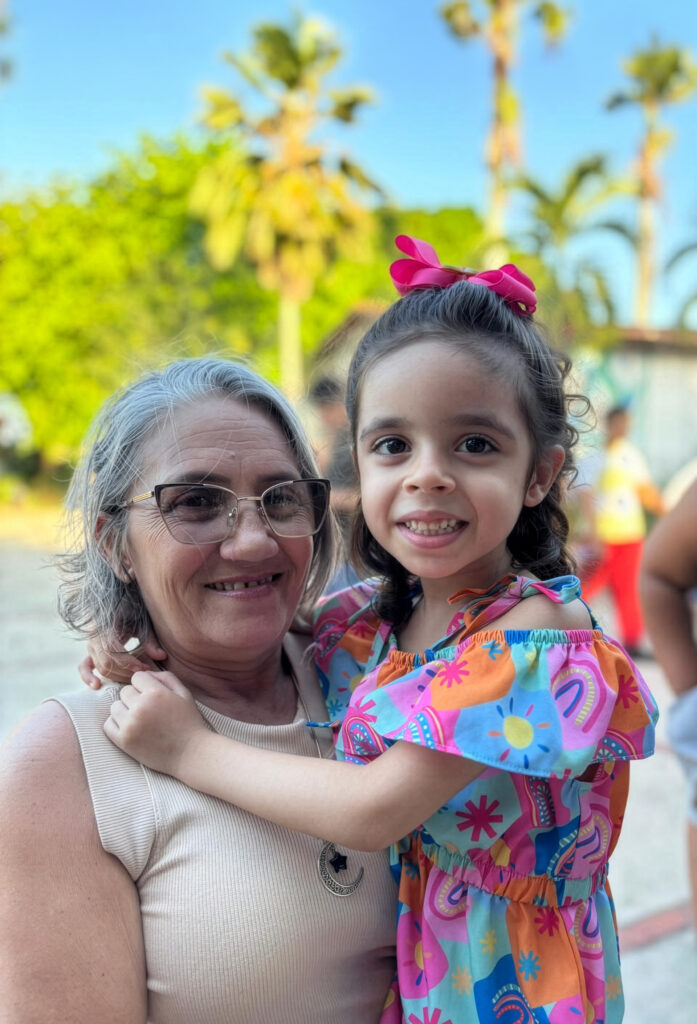
Second Phase of the Project (completed in June)
Third phase of the project (launched in July)